
Washington’s Plans For Pot Research Going Forward, Despite Federal Rules

Washington’s Plans For Pot Research Going Forward, Despite Federal Rules

Basic Jane |

Washington state is moving ahead with its plans to allow scientific research of marijuana, sidestepping federal rules that critics say have hampered study of the drug for decades.

The state has a new marijuana research license that will allow laboratories to grow marijuana for scientific study. State officials expect to start accepting applications for the new license by January. Supporters hope the state licensing helps provide new evidence of marijuana’s effectiveness as a medical treatment, potentially paving the way for the U.S. Drug Enforcement Administration to ease restrictions on the drug’s possession and use. “The importance of it really hit home when the DEA decided not to reschedule medical marijuana (last week) because, they said, ‘we just don’t have enough research,’ ” said state Sen.

Ann Rivers, R-La Center, who sponsored a bill this year to move Washington’s marijuana research license system forward. “We need some research institutions to come up with great information that we as legislators can use as we create policy.” Last week, the DEA cited the lack of evidence of a medical use for marijuana as a reason to keep it classified as a Schedule 1 drug, the most highly regulated category, which includes LSD and heroin. But it’s precisely that classification of marijuana that makes researching the drug so difficult, said Sam Méndez, executive director of the Cannabis Law & Policy Project at the University of Washington School of Law.

“It’s been sort of a chicken-and-egg story, where the DEA and the federal government say marijuana is a Schedule 1 narcotic because there is not sufficient evidence to suggest there is a medical use for it,” Méndez said. At the same time, “It is very difficult for people to produce research on it, which leads to there not being as much research out there as there should be,” he said. In the past, researchers have been able to access research-grade marijuana from only a single source: The University of Mississippi. While the DEA announced last week it will allow more U.S. facilities to apply to grow marijuana for research, Méndez said researchers will still face many barriers getting the federal permits to work with the federally sanctioned product, making a state research license as necessary as ever. “It can take up to two years just to get the federal licenses in the first place, because the process is so long and onerous,” Méndez said. Scientists also want to be able to apply the discoveries they make directly to the state’s legal medical and recreational pot system, something a federal research license would make difficult or impossible, said Jessica Tonani, CEO of Verda Bio, a research company in Seattle. “If you developed a strain (of marijuana) that has pest resistance or something, you’d want the growers in the state to be able to access that,” she gave as one example.

Tonani, who has lobbied for years to create a state marijuana research license, is looking to selectively breed marijuana plants based on the cannabinoids they contain, so she can test whether certain types of cannabinoids are useful for treating various diseases. Among the questions she wants to answer: “Is there a clinical profile that is best for MS patients, or cancer patients, or helps take away patients’ pain?” “To do that we need to do selective breeding and then get those out in the population to monitor those effects,” she said. Previously under Washington state law, only three types of licenses were available: producer, processor and retailer, none of which allows the kind of work Tonani envisions.

The state Liquor and Cannabis Board is now setting up a scientific review panel to scrutinize applications for the new marijuana research license, a first step toward opening the door to applicants, said board spokesman Brian Smith. The scientific review panel — made up of officials from Washington State University and the University of Washington — will evaluate the quality of proposed research projects, as well as whether applicants have the expertise and facilities to carry out the work.

After developing rules to govern the application process, the LCB expects to start soliciting applications at the start of 2017, with the first licenses to be issued sometime after that. State officials said they think the program puts Washington in a good position to become a pot-researching pioneer. “The marijuana research license provides a unique opportunity for Washington State to advance the field of marijuana research and solidify Washington as a leader in this field,” wrote Peter Antolin, the LCB’s deputy director, in a letter to officials at UW and WSU earlier this month. While some other states, including Oregon, are working to develop similar licenses, “none have yet been implemented,” the letter says.

Questions remain about how well university researchers will be able to take advantage of the state-level research license, given the federal funding those institutions receive. That funding “comes with many strings attached, including, when it comes to conducting research, the requirement to follow the necessary and sometimes cumbersome DEA regulations related to controlled substances,” wrote Dan Nordquist, the associate vice president of WSU’s Office of Research Support and Operations, in an email. Méndez, at the UW, said he expects private companies will be the ones most interested in the state research license, but he thinks there may still be potential for universities to partner with state-licensed private labs. Jeanne Kohl-Welles, a King County Council member and former Democratic state senator, called the limitations on university researchers “one of the real problems that still continues.” Kohl-Welles, who sponsored legislation in 2015 to create the new license, said those problems highlight the need for the DEA to reschedule marijuana sooner rather than later. “Here we have an opioid addiction epidemic, and they’re still allowing opioid-derivative drugs to be prescribed, but not marijuana,” she said. “There’s been so much evidence and public acceptance, I think they should be reclassifying marijuana now, not waiting for sometime off in the future.”

Read more at: https://www.bellinghamherald.com/news/politics-government/marijuana/article97385867.html#storylink=cpy

Frequently Asked Questions

Oral CBD Products

What makes Basic Jane oral products different from other CBD edibles?

Basic Jane oral products are developed out of one of the first state-licensed cannabis research programs in the U.S. Every formula is designed by scientists with a focus on real-world use, consistent dosing, and meaningful results. All oral products are THC-free — so you get the benefits of cannabinoids without any psychoactive effects or concerns about drug testing.

Do Basic Jane oral products contain THC?

No. All Basic Jane oral products are 100% THC-free and are legally sold under the 2018 Farm Bill. They will not get you high and are designed for clear-headed, everyday wellness.

Which oral product is best for general pain and inflammation relief?

It depends on what you need! CBD Mints are a great everyday starting point — low-dose, gentle, and appropriate for any time of day. For stronger inflammation relief, Boost Mints contain both CBD and CBDA (the raw form of CBD), which provides an added boost for more significant discomfort. Both work systemically, meaning they support your whole body — not just one area.

What is the difference between CBD Mints and Boost Mints?

CBD Mints contain 5 mg of CBD per mint — a perfect microdose for consistent, all-day support. Boost Mints contain both CBD and CBDA for extra inflammation relief. Think of CBD Mints as your everyday companion and Boost Mints as your go-to when you need more firepower — particularly after a tough workout, a flare-up, or a harder day.

What are Refresh Chews best for?

Refresh Chews contain CBD, CBG, and terpenes, making them ideal for people who want to power through their day with more clarity and ease. They are designed to help reduce anxiety, support focus and energy, and keep you feeling your best without any jittery side effects. Perfect for busy mornings or an afternoon pick-me-up.

What are Passion Chews and who are they designed for?

Passion Chews are designed specifically for women — particularly post-menopausal women — to help them feel present, connected, and in the moment when they want to. They are thoughtfully formulated with women's hormonal health in mind and designed to support intimacy and overall well-being.

What are Night Caps and are they CBD?

Night Caps are actually cannabinoid-free. Instead, they contain a blend of hops (Humulus lupulus) and valerian (Valeriana officinalis) — two botanicals with a long history of traditional use as natural sleep aids. They are non-habit-forming and designed to help you wind down, fall asleep, and wake up refreshed. A wonderful option for anyone who prefers to keep their sleep routine free of cannabinoids.

Which oral product is best for sleep?

Night Caps are Basic Jane's dedicated sleep product and are the first recommendation for anyone struggling to get a good night's rest. Their blend of hops and valerian is non-habit-forming and designed specifically for sleep support. If you are also managing pain that interferes with sleep, pairing Night Caps with a CBD Mint or Boost Mint may provide broader comfort going into bedtime.

Which oral product is best for daytime use?

CBD Mints are perfect for any time of day — subtle, low-dose, and easy to take on the go. Refresh Chews are a standout daytime choice if you want an added edge: the CBD/CBG and terpene blend is designed to keep anxiety at bay and help you feel energized and focused. Both are discreet, minty, and easy to incorporate into your daily routine.

Which oral product is best for workout recovery?

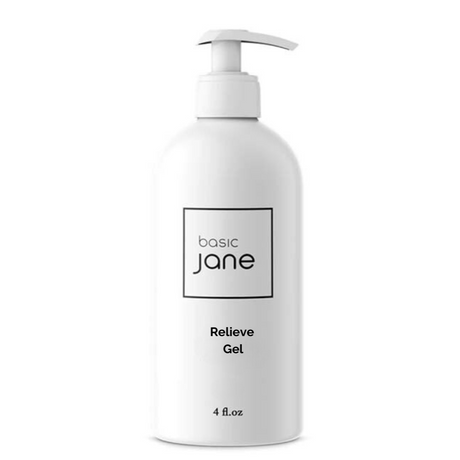
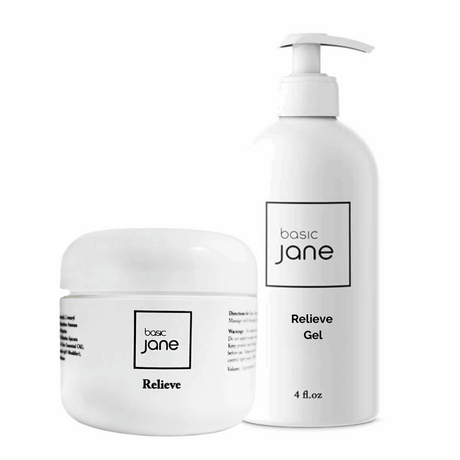
Boost Mints are a great post-workout choice. The combination of CBD and CBDA works systemically throughout the body to support inflammation relief and recovery. Take one to two mints after exercise and give them 30–90 minutes to build. For faster, localized muscle relief right after a workout, consider pairing with a Relieve Cream or Relieve Gel topically as well.

Can I use oral and topical products together?

Yes — and many customers do. Topicals like the Relieve Cream, Relieve Gel, and Pain Sprays target localized areas like sore knees, shoulders, or back, while oral products like CBD Mints and Boost Mints provide systemic, whole-body support. Using both together is one of the most effective approaches for people managing chronic or widespread discomfort.

How Oral CBD Works

How is oral CBD different from topical CBD?

Topical CBD products work locally — you apply them directly to the area of discomfort and they interact with receptors in the skin and underlying tissue. Oral products are absorbed through digestion and work systemically, supporting your whole body rather than one specific area. This makes oral products especially valuable for conditions that are more widespread, internal, or mood- and sleep-related.

How long does it take for oral CBD products to work?

Oral products typically take 30–90 minutes to take effect, depending on your metabolism and whether you have eaten recently. Plan accordingly — they are not a rapid-response product in the way topicals are, but their effects last significantly longer.

How long do the effects of oral CBD last?

Effects from oral CBD products typically last 6–8 hours, making them a great choice for consistent, long-lasting support throughout the day or night.

What is CBDA and why is it in Boost Mints?

CBDA is the raw, unheated form of CBD found in the hemp plant. Research suggests it may have potent anti-inflammatory properties, and when combined with CBD, the two cannabinoids may work synergistically for enhanced effect. That is why Boost Mints contain both — to deliver extra support beyond what CBD alone can provide.

What is CBG and why is it in Refresh Chews?

CBG (cannabigerol) is sometimes called the "mother cannabinoid" because it is the precursor to other cannabinoids. It is being studied for its potential to support mood, energy, and focus. In Refresh Chews, CBG is combined with CBD and terpenes to create a formula specifically designed to help you feel clear-headed, calm, and energized.

Activity and Timing

When is the best time to take CBD Mints?

CBD Mints are designed for any time of day. Many customers take one in the morning as part of their wellness routine, another mid-afternoon, or after activity for recovery. Because each mint is a low 5 mg dose, you can adjust timing and quantity to fit your lifestyle. Start with one and see how your body responds.

When is the best time to take Boost Mints?

Boost Mints are best taken when you need more targeted inflammation support — after exercise, during a flare-up, or when you know a more demanding day is ahead. Because they contain both CBD and CBDA, they are more potent than standard CBD Mints and are ideal when everyday support is not quite enough.

When should I take Night Caps?

Take Night Caps about 30–60 minutes before bed to give the hops and valerian time to take effect. They are designed to help you relax, fall asleep naturally, and stay asleep through the night.