What’s that smell? Terpene labels divide cannabis manufacturers

What’s that smell? Terpene labels divide cannabis manufacturers

Basic Jane |

The flavor stars of the cannabis world, terpenes, are moving out of the realm of die-hard cannabis enthusiasts and becoming better known for the role the compounds play in the taste, aroma and mouthfeel of products at all THC levels.

But the chemicals responsible for cannabis smells from fruity to skunky are also attracting controversy from those who say terpenes ought to be labeled because they can be pharmacologically active and could even make some folks sick.

Critics counter that cannabis labels in most jurisdictions are already overcrowded and that terpene research is too nascent for reliable information about what exactly they do.

After all, they argue, terpenes are common in the plant world (often called “essential oils” in other industries) and don’t require alerts when added to products such as lotions or perfumes.

It’s a debate that is gaining steam in the wake of new research showing that the phrases most commonly used on cannabis labels, indica or sativa, are both misleading and inconsistent.

Terpenes, not strain names, better describe cannabis varieties and their effects on users, according to the team of Canadian and Dutch researchers.

Pro-label camp

International standards organization ASTM is currently asking members in the cannabis industry about a proposal to list terpene amounts on labels.

The group is considering adopting a voluntary guideline that cannabis manufacturers (both hemp and marijuana) label resin cannabinoid products with the amounts of certain varieties of five common terpenes in the cannabis plant:

  • Limonene.
  • Myrcene.
  • Pinene.
  • Terpinolene.
  • Caryophyllene.

The suggestion would say that those terpene labels would be mandatory for medical marijuana cannabis products but optional for adult-use cannabis products.

In addition, ASTM’s proposal calls for cannabis manufacturers to add to labels:

  • The origin of any terpenes that were added from non-cannabis sources, such as lemons.
  • Warnings that products containing more than 10% terpenes “may potentially cause harm.”

The proposal is out for a vote to the ASTM technical committee on cannabis, a group of industry members with no deadline to settle the question. ASTM guidelines aren’t legally binding, though they commonly underpin regulations in other technical industries

Terpene labels make sense because scientists are learning how much of a role they play in cannabis’ effects, said Darwin Millard, one of the ASTM cannabis committee members and chief science officer for Final Bell Corp., a cannabis ingredients manufacturer in California.

“Terpenes are important because they are medically active,” he told Hemp Industry Daily.

“They are part of the ensemble effect and definitely alter the physiological effects experienced from consuming cannabis products. And because of that, it’s important for medicinal-use consumers to have that extra level of information in order for their medical professional to give them an appropriate recommendation.”

Millard pointed out that many terpenes don’t survive extraction and are added to products later, making terpenes an added ingredient that should be communicated.

Added terpenes can also get manufacturers sideways with state-level rules that require active ingredients in cannabis products to come from in-state sources, as in the case of an Oregon recall in May.

The other side

Some terpene manufacturers say terpene labels could be used by savvy marketers and consumers, but that they shouldn’t be required.

For Jason Pickle, co-founder of Volunteer Botanicals in Christiana, Tennessee, terpene labels might may not add much usable information.

His company converts botanical oils into powdered terpenes available for reconstituting into finished products by other manufacturers, and he said that while B2B clients need full terpene information, end consumers might not.

“It’s very difficult to label and regulate a terpene when we don’t really have the full science behind them,” he said. “We’re regulating something that’s unknown.”

Pickle worried that unscrupulous manufacturers could even make unsound medical claims about certain terpene blends before understanding what the terpenes do together – somewhat like making unproven claims about the potential ensemble effect of cannabinoids, when different cannabinboids work together to produce a desired effect.

“Just like the reconstitution of cannabinoids, there’s a hidden, really neat, exciting potential of what these blends can do outside of what we know about each terpene individually,” he said. “But we just don’t have a lot of data to guide us at this point.”

Another concern is that testing methods for terpene content are even fuzzier than they are testing methods for cannabinoid content.

“One downside of testing for terpenes is that it is expensive to do and not necessarily accurate because they’re pretty volatile,” said Jessica Tonani, CEO of Verda Bio, a cannabis biotech company in Seattle.

“So, if a product sits around, if it’s heated, anything like that, the chances of (the item) still having that terpene profile may diminish.”

Next steps

Millard concedes that scientists have much to learn about terpenes and how they interact with cannabinoids and each other.

For example, he pointed out that the warning about products containing 10% terpenes is mostly anecdotal. But the safest route would be to alert consumers, he argued.

“Inhaling terpenes at such a high concentration means you’re actually inhaling a solvent now, and that’s never good for your lungs,” he said.

Tonani suggested that cannabis manufacturers should take a cue from aromatherapy industries and others and tell consumers about the effects products can have, rather than scientific measurements of terpene compounds that few understand.

“Consumers are looking for a specific state that they’re using cannabis for. Medical, wellness, recreational, whatever they’re using it for, they want a consistent experience,” she said.

“At the end of the day, I think that producers should try to make consistent profiles of the terpenes within their products, whatever their products are.”

 https://hempindustrydaily.com/whats-that-smell-terpene-labels-divide-cannabis-manufacturers/

Frequently Asked Questions

Oral CBD Products

What makes Basic Jane oral products different from other CBD edibles?

Basic Jane oral products are developed out of one of the first state-licensed cannabis research programs in the U.S. Every formula is designed by scientists with a focus on real-world use, consistent dosing, and meaningful results. All oral products are THC-free — so you get the benefits of cannabinoids without any psychoactive effects or concerns about drug testing.

Do Basic Jane oral products contain THC?

No. All Basic Jane oral products are 100% THC-free and are legally sold under the 2018 Farm Bill. They will not get you high and are designed for clear-headed, everyday wellness.

Which oral product is best for general pain and inflammation relief?

It depends on what you need! CBD Mints are a great everyday starting point — low-dose, gentle, and appropriate for any time of day. For stronger inflammation relief, Boost Mints contain both CBD and CBDA (the raw form of CBD), which provides an added boost for more significant discomfort. Both work systemically, meaning they support your whole body — not just one area.

What is the difference between CBD Mints and Boost Mints?

CBD Mints contain 5 mg of CBD per mint — a perfect microdose for consistent, all-day support. Boost Mints contain both CBD and CBDA for extra inflammation relief. Think of CBD Mints as your everyday companion and Boost Mints as your go-to when you need more firepower — particularly after a tough workout, a flare-up, or a harder day.

What are Refresh Chews best for?

Refresh Chews contain CBD, CBG, and terpenes, making them ideal for people who want to power through their day with more clarity and ease. They are designed to help reduce anxiety, support focus and energy, and keep you feeling your best without any jittery side effects. Perfect for busy mornings or an afternoon pick-me-up.

What are Passion Chews and who are they designed for?

Passion Chews are designed specifically for women — particularly post-menopausal women — to help them feel present, connected, and in the moment when they want to. They are thoughtfully formulated with women's hormonal health in mind and designed to support intimacy and overall well-being.

What are Night Caps and are they CBD?

Night Caps are actually cannabinoid-free. Instead, they contain a blend of hops (Humulus lupulus) and valerian (Valeriana officinalis) — two botanicals with a long history of traditional use as natural sleep aids. They are non-habit-forming and designed to help you wind down, fall asleep, and wake up refreshed. A wonderful option for anyone who prefers to keep their sleep routine free of cannabinoids.

Which oral product is best for sleep?

Night Caps are Basic Jane's dedicated sleep product and are the first recommendation for anyone struggling to get a good night's rest. Their blend of hops and valerian is non-habit-forming and designed specifically for sleep support. If you are also managing pain that interferes with sleep, pairing Night Caps with a CBD Mint or Boost Mint may provide broader comfort going into bedtime.

Which oral product is best for daytime use?

CBD Mints are perfect for any time of day — subtle, low-dose, and easy to take on the go. Refresh Chews are a standout daytime choice if you want an added edge: the CBD/CBG and terpene blend is designed to keep anxiety at bay and help you feel energized and focused. Both are discreet, minty, and easy to incorporate into your daily routine.

Which oral product is best for workout recovery?

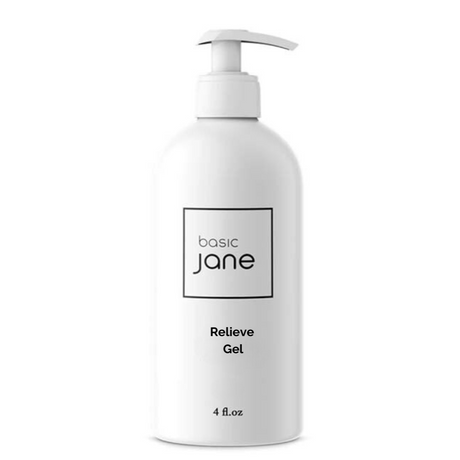
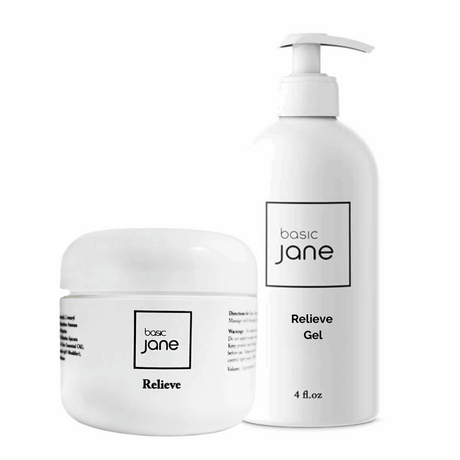
Boost Mints are a great post-workout choice. The combination of CBD and CBDA works systemically throughout the body to support inflammation relief and recovery. Take one to two mints after exercise and give them 30–90 minutes to build. For faster, localized muscle relief right after a workout, consider pairing with a Relieve Cream or Relieve Gel topically as well.

Can I use oral and topical products together?

Yes — and many customers do. Topicals like the Relieve Cream, Relieve Gel, and Pain Sprays target localized areas like sore knees, shoulders, or back, while oral products like CBD Mints and Boost Mints provide systemic, whole-body support. Using both together is one of the most effective approaches for people managing chronic or widespread discomfort.

How Oral CBD Works

How is oral CBD different from topical CBD?

Topical CBD products work locally — you apply them directly to the area of discomfort and they interact with receptors in the skin and underlying tissue. Oral products are absorbed through digestion and work systemically, supporting your whole body rather than one specific area. This makes oral products especially valuable for conditions that are more widespread, internal, or mood- and sleep-related.

How long does it take for oral CBD products to work?

Oral products typically take 30–90 minutes to take effect, depending on your metabolism and whether you have eaten recently. Plan accordingly — they are not a rapid-response product in the way topicals are, but their effects last significantly longer.

How long do the effects of oral CBD last?

Effects from oral CBD products typically last 6–8 hours, making them a great choice for consistent, long-lasting support throughout the day or night.

What is CBDA and why is it in Boost Mints?

CBDA is the raw, unheated form of CBD found in the hemp plant. Research suggests it may have potent anti-inflammatory properties, and when combined with CBD, the two cannabinoids may work synergistically for enhanced effect. That is why Boost Mints contain both — to deliver extra support beyond what CBD alone can provide.

What is CBG and why is it in Refresh Chews?

CBG (cannabigerol) is sometimes called the "mother cannabinoid" because it is the precursor to other cannabinoids. It is being studied for its potential to support mood, energy, and focus. In Refresh Chews, CBG is combined with CBD and terpenes to create a formula specifically designed to help you feel clear-headed, calm, and energized.

Activity and Timing

When is the best time to take CBD Mints?

CBD Mints are designed for any time of day. Many customers take one in the morning as part of their wellness routine, another mid-afternoon, or after activity for recovery. Because each mint is a low 5 mg dose, you can adjust timing and quantity to fit your lifestyle. Start with one and see how your body responds.

When is the best time to take Boost Mints?

Boost Mints are best taken when you need more targeted inflammation support — after exercise, during a flare-up, or when you know a more demanding day is ahead. Because they contain both CBD and CBDA, they are more potent than standard CBD Mints and are ideal when everyday support is not quite enough.

When should I take Night Caps?

Take Night Caps about 30–60 minutes before bed to give the hops and valerian time to take effect. They are designed to help you relax, fall asleep naturally, and stay asleep through the night.